
Number 1 Shampoo for Hair Growth: 4 Options by Need
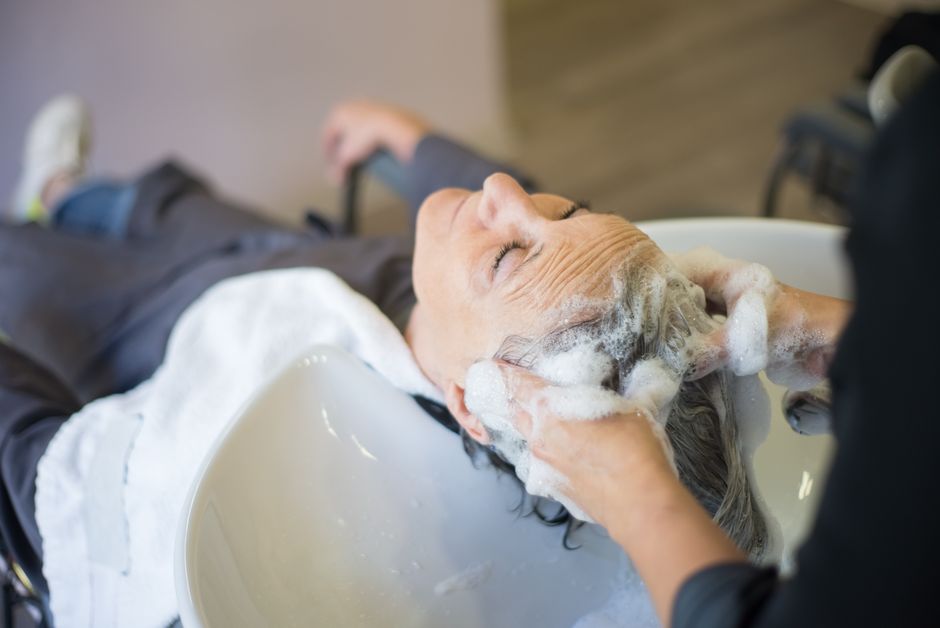
There is no single proven number 1 shampoo for hair growth: shampoo choice should match the likely cause and scalp needs. For dandruff-prone scalps, ketoconazole may be a useful adjunct, though regrowth evidence remains limited. For fragile hair, choose a gentle moisturizing formula to reduce breakage; for genetic thinning, ask about proven leave-on treatment such as minoxidil rather than relying on shampoo alone.
What is the number one best shampoo for hair growth?
The best starting shampoo depends on what is driving the problem: scalp symptoms, breakage, or hair loss from another cause. A bottle cannot be ranked number one for everyone based on the available evidence. The American Academy of Dermatology (AAD) says effective treatment begins by finding the cause; assessment may involve examining the scalp and hair and, when indicated, blood tests or a scalp biopsy.
Use this practical ranking by use case, not as a universal regrowth leaderboard:
- Dandruff-prone scalp: consider a ketoconazole shampoo if appropriate for your scalp care. A systematic review found promising but limited evidence, and did not establish it as a proven standalone regrowth shampoo.
- Fragile, breakage-prone hair: prioritize gentle shampoo and moisturizing conditioner. The AAD says some shampoos can strip moisture and conditioner helps reduce breakage and split ends.
- Genetic pattern thinning: do not treat shampoo as the main intervention. Ask a clinician whether an evidence-backed leave-on treatment such as minoxidil fits the cause and your circumstances.
- Temporary fuller-looking hair: the provided research does not compare volumizing shampoos or establish which offers the best cosmetic fullness. Check the label and avoid treating a thicker look as evidence of new growth.
Cost comparisons are unavailable in the research sources, so the table avoids guessed prices. Compare the product’s active ingredient and intended use, then factor in whether it suits your hair texture and scalp symptoms.
| Option | Who it suits | Cost | Key limitation |
|---|---|---|---|
| Ketoconazole shampoo | Potential adjunct for dandruff-prone scalp | not published | Evidence does not establish standalone regrowth benefit; it may be drying for some hair types, so monitor comfort and hair condition. |
| Gentle shampoo plus moisturizing conditioner | Fragile thinning hair prone to breakage | not published | Helps protect strands; does not identify or treat every cause of hair loss. |
| 1% pyrithione zinc shampoo | People considering this ingredient in the context of the studied male-pattern hair loss trial | not published | In the six-month trial, hair-count increase was less than half that seen with 5% minoxidil solution. |
| 5% topical minoxidil solution | People discussing leave-on treatment for hair loss with a clinician | not published | It is a leave-on treatment, not shampoo; visible regrowth commonly takes six to twelve months. |
Ketoconazole’s possible drying effect is a practical reason to watch how the scalp and lengths respond. If your hair feels brittle or rough, a gentler formula and conditioner may better fit the immediate goal of reducing breakage.
Which shampoo is most effective for hair growth?
No shampoo is established by these sources as the most effective choice for hair growth across causes. The clearest shampoo comparison is a randomized six-month study in 200 men aged 18–49 with male-pattern hair loss: daily 1% pyrithione zinc shampoo produced a modest hair-count increase, maintained through 26 weeks, but the relative increase was slightly less than half that of 5% minoxidil solution.
That distinction matters: the minoxidil in the comparison was a leave-on solution. The trial does not show that minoxidil shampoo works like standard minoxidil foam or solution, and adding pyrithione zinc shampoo to minoxidil produced no measured advantage in that study. Keep the evidence attached to the product form actually tested.
For ketoconazole, a systematic review covered seven studies, including five human studies totaling 318 participants. Human studies reported increased hair-shaft diameter, and some reported clinical improvement by photographic or subjective assessment; the authors still concluded that randomized controlled trials are needed. That makes ketoconazole a possible adjunct, not a confirmed standalone growth solution.
Ingredient marketing is a weak shortcut. A 2025 scoping review identified 43 shampoos advertising 112 active ingredients and found that the overall strength of evidence was low. Of 36 repeatedly advertised ingredients, 20 had no clinical efficacy trials identified, while 12 were studied only in combined preparations, making it difficult to attribute any effect to one ingredient.
What is the #1 hair regrowth product?
The #1 product depends on the diagnosis; no single treatment works for everyone. For hair loss, the AAD says minoxidil applied to the scalp as directed can stimulate growth and help prevent further loss. It is a leave-on treatment, and visible regrowth commonly takes six to twelve months.
Shampoo and treatment have different jobs. Shampoo is rinsed off and can address cleansing or scalp-care needs; it should not be assumed to deliver the same effect as a leave-on medicine. If thinning is genetic or otherwise persistent, a dermatologist can help identify the cause and choose an approach aimed at it rather than asking a shampoo to do every job.
Also check for preventable strand damage. The AAD recommends gentle shampoo for fragile thinning hair and moisturizing conditioner after washing. Repeated tension from tight hairstyles can cause traction alopecia and may eventually cause permanent hair loss, so changing the styling habit is part of the response—not just changing bottles.
Which shampoo is best for hair regrow?
For regrowth, there is no universally best shampoo; choose based on the scalp problem and treat the underlying cause separately. If dandruff or scalp symptoms are part of the picture, a ketoconazole product may be worth discussing, with the understanding that its evidence for androgenetic alopecia is limited. If the main issue is breakage, use gentle cleansing and conditioner instead of chasing a regrowth claim.
Make the choice with a simple label check: identify the active ingredient, confirm what problem the product claims to address, and see whether the evidence supports that same ingredient and product form. The 2025 scoping review found limited clinical evidence across many advertised ingredients, so a long list of actives is not proof of effectiveness.
Then run a practical review. Take baseline photos in consistent lighting and from the same angles, use the product as directed, and reassess after three to six months. Photos can make comparison more consistent; they cannot diagnose the cause. If thinning progresses or remains unexplained, arrange an assessment rather than extending a shampoo experiment indefinitely. For a routine-focused guide beyond this topic, see Which is best drinking water in UAE?
Frequently Asked Questions
Can shampoo alone regrow hair or stop genetic hair loss?
Shampoo is not a dependable standalone treatment for genetic hair loss. A trial found a modest hair-count increase with 1% pyrithione zinc shampoo, smaller than with 5% leave-on minoxidil, while ketoconazole evidence remains insufficient to establish it as a proven standalone regrowth shampoo. A dermatologist can identify the cause and discuss treatment.
Which shampoo ingredients are worth looking for, and how strong is the evidence?
Ketoconazole may be relevant for dandruff-prone scalps and has been studied as a possible adjunct, but randomized trials are still needed. A 2025 scoping review rated overall evidence for shampoo ingredients as low; many commonly advertised ingredients lacked clinical efficacy trials. Choose a gentle moisturizing shampoo if hair is fragile and prone to breakage.
How long should I use a hair-growth shampoo before judging results?
Use it consistently according to its label and track the same areas with baseline photos. Review progress after three to six months, but understand that this is a practical check-in, not proof that a shampoo regrows hair. The AAD says visible regrowth with scalp-applied minoxidil commonly takes six to twelve months.
When should thinning hair be assessed by a dermatologist instead of treated with shampoo?
Arrange an assessment when thinning persists, worsens, or its cause is unclear, because effective treatment starts with identifying the cause. A dermatologist may examine the scalp and hair and use blood tests or a scalp biopsy when indicated. Shampoo cannot correct every underlying cause.
Sources
- American Academy of Dermatology, Hair loss: Diagnosis and treatment
- American Academy of Dermatology, Hair loss: Tips for managing
- Fields et al., Topical ketoconazole for the treatment of androgenetic alopecia: A systematic review
- Berger et al., Randomized controlled trial of 1% pyrithione zinc shampoo and minoxidil
- Spiewak and Szendzielorz, Ingredients of Trichological Shampoos with Alleged Beneficial Effects on Hair—A Scoping Review
Which Is Best Drinking Water in India? Compare Your Options
Which is best drinking water in India depends on your source, location and budget; compare dated tests with current label checks and local supply evidence.

Which is best drinking water in UAE?
Compare UAE tap and bottled water by building conditions, mineral labels, taste and price per litre—not TDS alone.

Whats Good Drinking Water?
Choose drinking water by checking local safety, addressing identified contaminants, and finding a taste you will drink regularly.